Class 1, 2, or 3? What Your E-Bike Class Actually Means in San Diego County
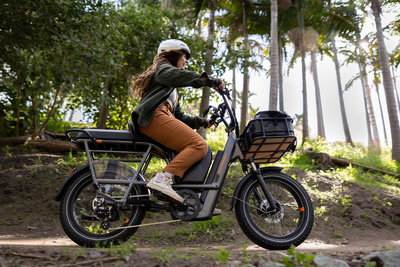
If you bought an e-bike recently, you probably saw “Class 1,” “Class 2,” or “Class 3” somewhere on the box or spec sheet and moved on. It matters more than you'd think. It decides where you're legally allowed to ride.
Class 1 is pedal-assist only, tops out at 20 mph, no throttle. These are allowed pretty much anywhere a regular bike is, including most multi-use paths and trails.
Class 2 has a throttle and also caps at 20 mph. Most places that allow Class 1 also allow Class 2, but not always. Some trails restrict throttle bikes specifically.
Class 3 is pedal-assist up to 28 mph, no throttle (though some have one at lower speeds), and usually requires a speedometer. These get restricted the most. Many bike paths and trails in San Diego County don't allow Class 3, and riders under 16 often can't legally operate one.
Rules vary by trail and jurisdiction, not just by state law, so check signage or your city's parks department before you assume a path is open to your class. The bigger issue we see: riders who don't actually know which class their bike is. Check your manual or the sticker near the motor housing. It's usually printed right there.
If you're not sure what you're riding or want help understanding your bike's assist settings, we can walk you through it on-site during a tune-up.
Keep Reading
How Much Does a Bike Tune-Up Cost in 2026?
Real numbers, what each tier includes, and where shops quietly add cost after you drop the bike off.
E-Bike Maintenance Tips: What Actually Keeps One Running
E-bikes wear parts faster than analog bikes. Here's the short list of what to stay on top of between services.
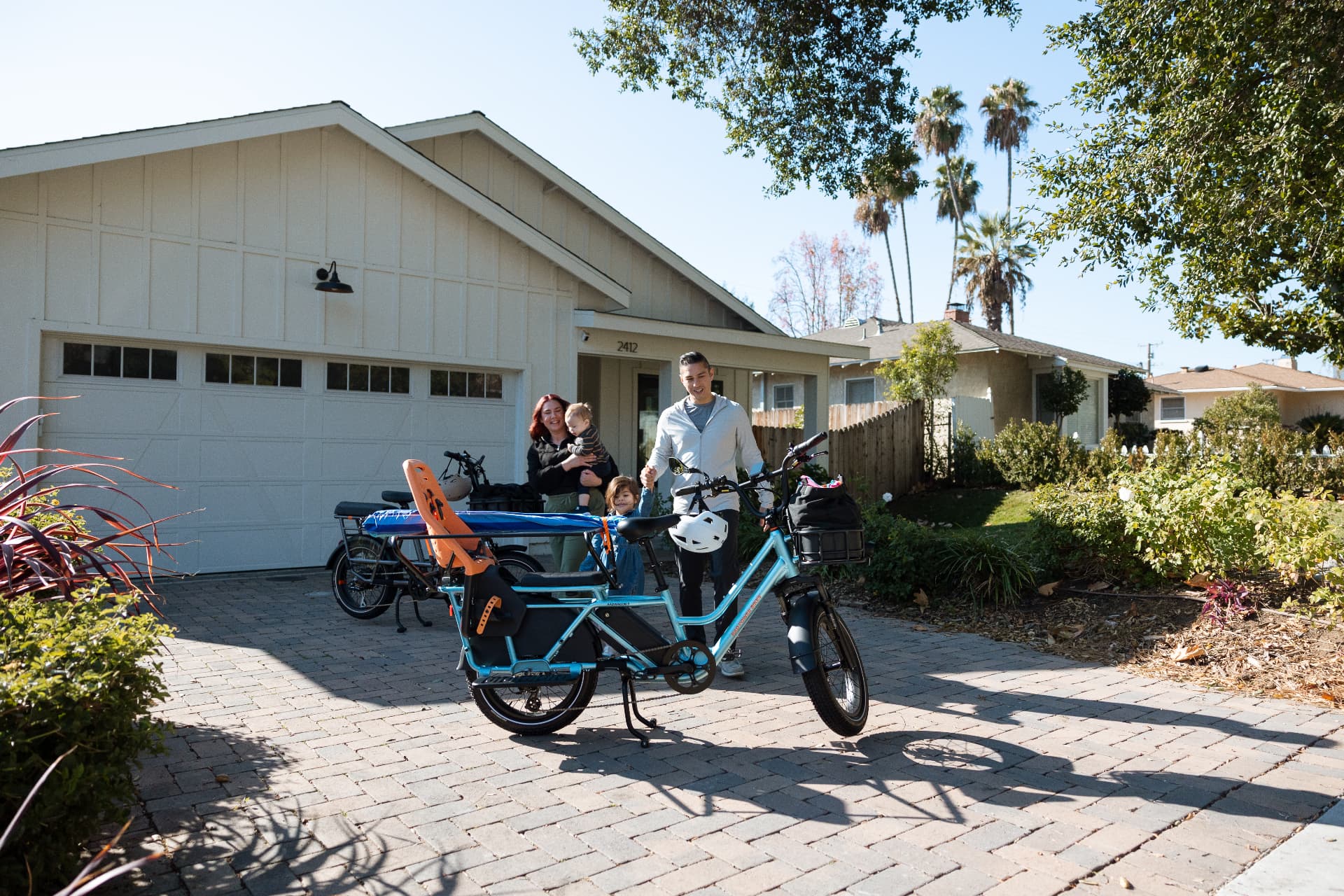
What a Mobile Bike Repair Visit Actually Looks Like
No shop drop-off, no two-week wait. Here's exactly what happens when a certified mechanic pulls into your driveway.